

What Is a Bill of Lading? How to Read a B/L When Shipping Goods to Malaysia?
In international freight transportation, a Bill of Lading (B/L) is one of the most important shipping documents. A Bill of Lading is commonly used for shipments transported by sea. This document contains important information about the shipper, consignee, and the transportation route of the goods.
When shipping goods from Vietnam to Malaysia, reading and checking the B/L carefully can help businesses minimize errors. The information on the Bill of Lading also supports the delivery process and document handling. So, what is a Bill of Lading? What information does a B/L contain, and how should it be checked?
What Is a Bill of Lading?
A Bill of Lading, commonly abbreviated as B/L, is a sea freight document issued by a shipping line or carrier. It serves as a record confirming that the goods have been received for transportation under the agreed terms and conditions.
A Bill of Lading is commonly used in international sea freight operations. Depending on the circumstances, a B/L may also be associated with the right to claim the goods and cargo release procedures at the port.
A Bill of Lading usually contains complete information about the shipment. This includes the shipper, consignee, port of loading, port of discharge, container details, number of packages, and cargo weight.
What Are the Roles of a Bill of Lading?
A B/L plays an important role in the international transportation of goods. It serves as a basis for the parties involved to verify shipment information.
For businesses importing goods from Malaysia, the B/L helps identify the transportation route. Consignees can use the document to check vessel information and the destination port.
The B/L is also used during the cargo collection process. Certain details on the document need to be checked against the Commercial Invoice and Packing List.
Therefore, checking the B/L before the goods arrive at the port is an essential step. Incorrect information may cause delays in document processing.
Key Information on a Bill of Lading
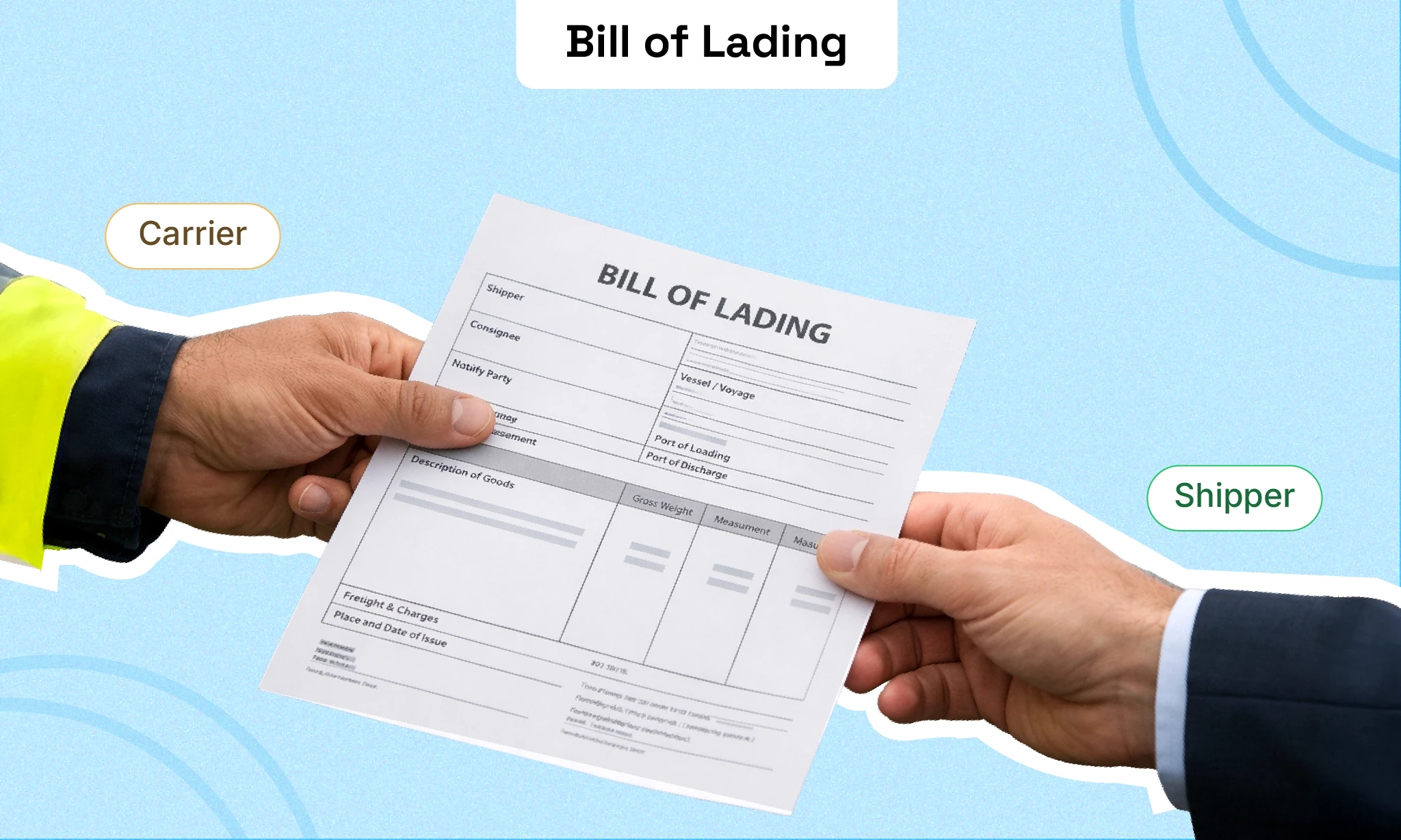
1. Shipper
Shipper refers to the party sending the goods, as stated on the Bill of Lading. This is usually the name and address of the exporter.
When shipping goods to Malaysia, businesses should check the Shipper details against the Commercial Invoice. The information on both documents should be consistent.
2. Consignee
Consignee refers to the party receiving the goods, as stated on the B/L. This is usually the importing company or individual.
The Consignee details should be carefully checked before the Bill of Lading is issued. Incorrect names or addresses may cause difficulties during the cargo collection process.
3. Notify Party
Notify Party refers to the party that should be notified when the goods arrive. This information usually appears below or near the Consignee section.
The Notify Party may be the consignee or an appointed agent. Depending on the agreement, this information may be the same as or different from the Consignee details.
4. Vessel and Voyage
Vessel refers to the name of the ship carrying the goods. Voyage refers to the vessel’s voyage number for a specific journey.
These two details help identify the shipment’s transportation schedule. Businesses also use the vessel name and voyage number to check vessel schedules and track shipments.
5. Port of Loading – POL
POL (Port of Loading) refers to the port where the goods are loaded onto the vessel. This is the starting point of the sea transportation journey.
For shipments from Vietnam to Malaysia, the POL may be a port in Vietnam. Businesses should check this information against the booking details before confirming the B/L.
6. Port of Discharge – POD
POD (Port of Discharge) refers to the port where the goods are unloaded from the vessel. This is where the container is discharged during transportation.
POD information is particularly important for import shipments. If the destination port does not match the agreed terms, problems may arise during cargo handling and delivery.
7. Container Number
Container Number is the identification number of the container carrying the goods. Each container has a unique code for management and tracking purposes.
Businesses should compare the container number on the B/L with the actual shipment details. This helps prevent confusion between different shipments.
8. Seal Number
Seal Number refers to the identification number of the container seal. The seal is used to monitor the container’s security during transportation.
The seal number on the B/L should be checked against the relevant documents and cargo handling records. If there is any discrepancy, businesses should verify the information with the carrier.
9. Number of Packages
Number of Packages indicates the total number of packages in the shipment. This information is usually displayed together with the cargo description.
The number of packages on the B/L should match the Packing List. If there is any discrepancy, the reason should be verified before the documents are finalized.
10. Gross Weight
Gross Weight refers to the total weight of the goods, including packaging. This is important information for the transportation process.
Businesses should compare the Gross Weight stated on the B/L with the Packing List. Significant discrepancies may result in requests for amendments or further confirmation.
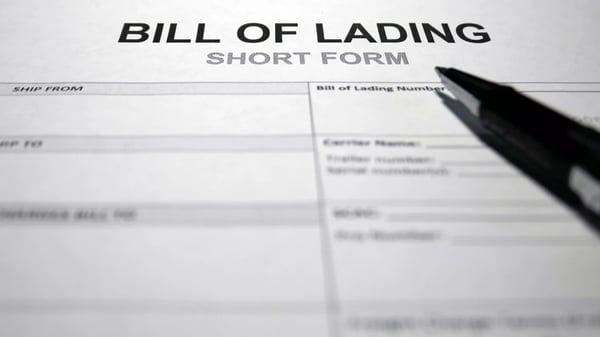
How to Read a B/L When Shipping Goods to Malaysia
When receiving a draft B/L, businesses should not only check the cargo description. Other information also needs to be carefully reviewed and cross-checked.
First, check the Shipper, Consignee, and Notify Party. These details are directly related to the parties involved in the shipment.
Next, check the Vessel, Voyage, POL, and POD. This information shows which vessel the goods are shipped on and which ports are involved in the transportation route.
Then, check the Container Number and Seal Number. These are important details for identifying and tracking the container.
Finally, compare the number of packages, weight, and cargo description. These details should be consistent with the Invoice and Packing List.
What Is the Difference Between B/L, HBL, and MBL?
In international freight transportation, businesses may encounter two common types of Bills of Lading: HBL and MBL.
HBL (House Bill of Lading) is usually issued by a freight forwarder to the customer. The HBL represents the relationship between the customer and the freight forwarding company.
MBL (Master Bill of Lading) is usually issued by the shipping line. The MBL reflects the transportation relationship between the shipping line and the relevant parties involved in the shipment.
For LCL shipments, a container may contain cargo belonging to multiple shippers. In this case, both the HBL and MBL may appear in the document set.
Common Errors When Checking a B/L
One common error is an incorrect Consignee name or address. This information should be carefully checked before the B/L is officially issued.
Another common error involves an incorrect POL or POD. Choosing the wrong port may affect the cargo delivery and handling plan.
Businesses may also encounter incorrect Container Numbers or Seal Numbers. These details should be cross-checked with the booking information and Packing List.
The cargo description also needs to be carefully reviewed. The information on the B/L should be consistent with the commercial documents of the shipment.
B/L Checking Checklist
Before confirming the B/L, businesses can quickly check the following information:
- Shipper
- Consignee
- Notify Party
- Vessel
- Voyage
- POL
- POD
- Container Number
- Seal Number
- Number of Packages
- Gross Weight
- Description of Goods
- Freight and related terms
Using a checklist helps reduce the risk of missing important information. Businesses should also compare the B/L with the Invoice, Packing List, and Booking.
Conclusion
The Bill of Lading is an important document in sea freight transportation. When shipping or importing goods between Vietnam and Malaysia, businesses need to have a clear understanding of the information stated on the B/L.
Details such as Shipper, Consignee, POL, POD, Vessel, Voyage, Container Number, and Seal Number should all be carefully checked. Comparing the B/L with other shipping documents also helps minimize errors during the cargo handling and delivery process.
A B/L that is carefully checked from the beginning can make the document processing process smoother. This is also a basic skill that import-export and logistics professionals need to master.
Packing List và Commercial Invoice khác nhau thế nào? – Cần Thơ Logistics Xuất Nhập Khẩu
Hàng đi Malaysia mất bao lâu? Những yếu tố ảnh hưởng đến thời gian vận chuyển – MALAYSIA CARGO
